Grippers & tooling
Choosing a robot gripper for small parts: access, force and detection
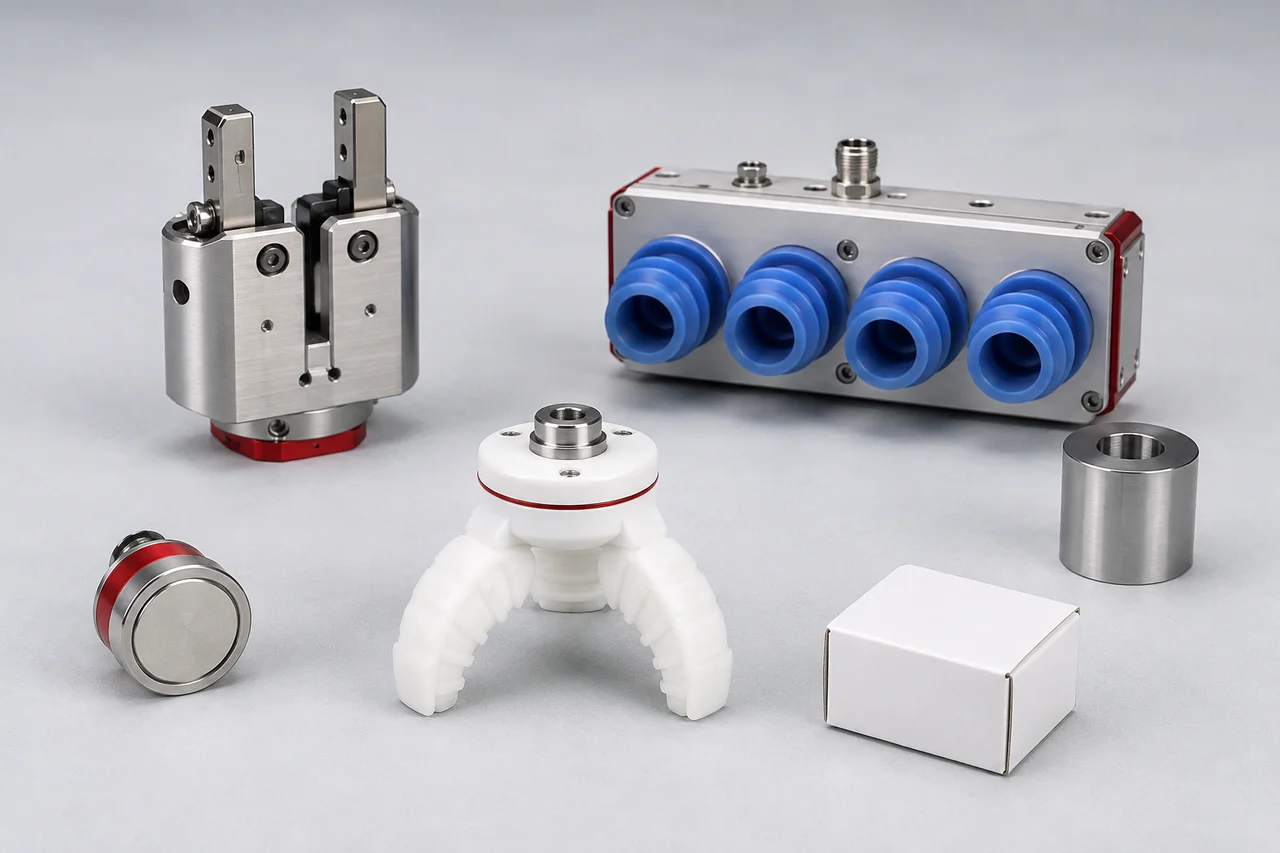
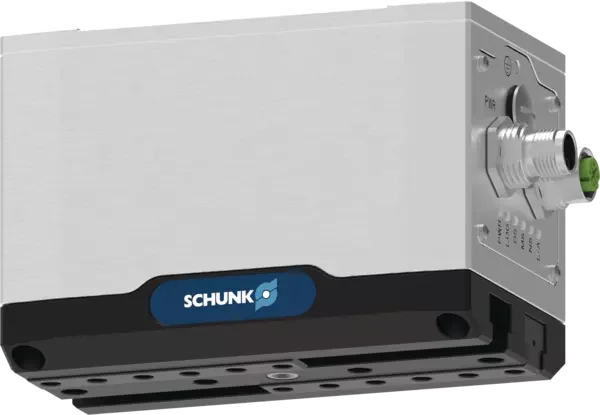
Choose a small-parts gripper by checking presentation, contact geometry, controllable force, part detection, release and material requirements before a trial.
Vacuum systems, mechanical grippers, adapters, tool changes and load planning.
Choose a small-parts gripper by checking presentation, contact geometry, controllable force, part detection, release and material requirements before a trial.
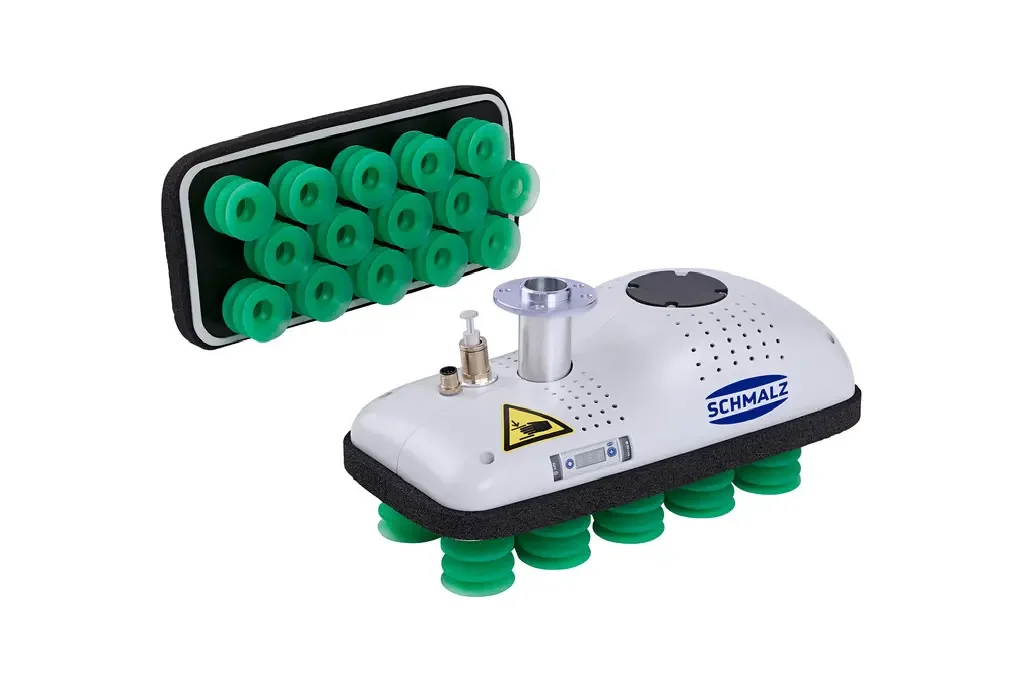
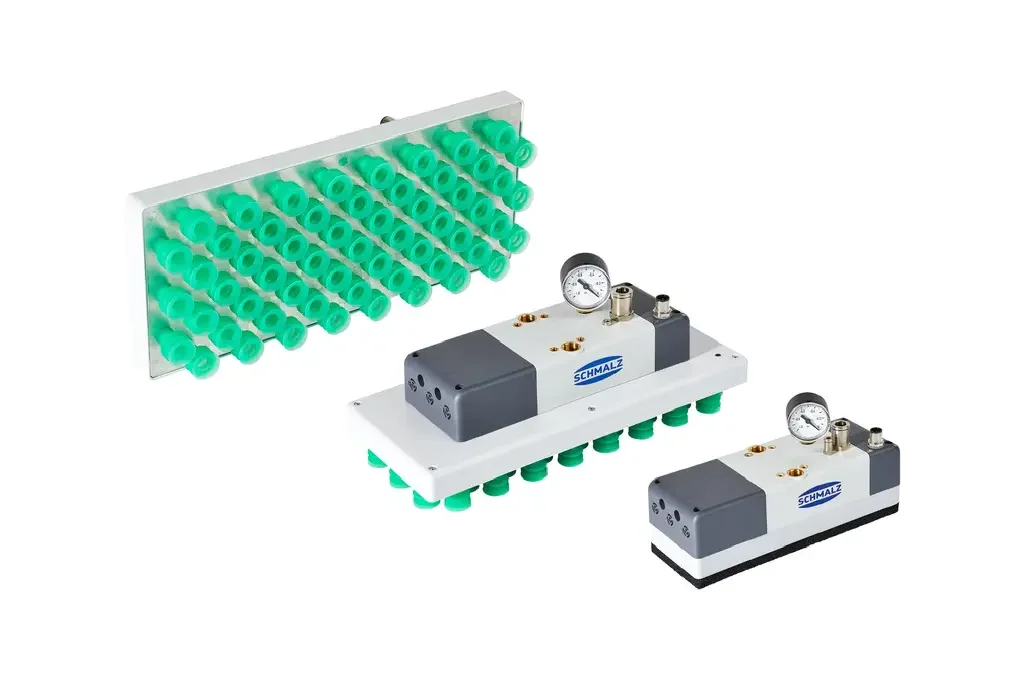
Plan a cardboard vacuum-gripping trial that separates material leakage from sealing problems, checks surface damage and release, and records production variation.
Specify a robot tool changer through load moments, utility modules, locking feedback, storage, recovery and acceptance evidence, beyond a headline payload rating.
Evaluate a Schmalz FQE for a Fairino application by checking the exact variant, mounted mass, adapter, utilities and carton trials before committing to a tool.
Assess magnetic robot gripping through alloy, thickness, contact gaps, carried orientation, sensing and release, without mistaking catalogue force for an approved load.
Evaluate soft grippers through contact deformation, product damage, placement, cleaning and release, with a trial plan for delicate and variable products.
Account for the gripper, adapters, services and workpiece, calculate a hypothetical combined centre of gravity, and prepare load records for qualified integration.
Compare vacuum and mechanical gripping through contact access, material variation, placement, fault recovery and ownership costs, using a practical trial plan.
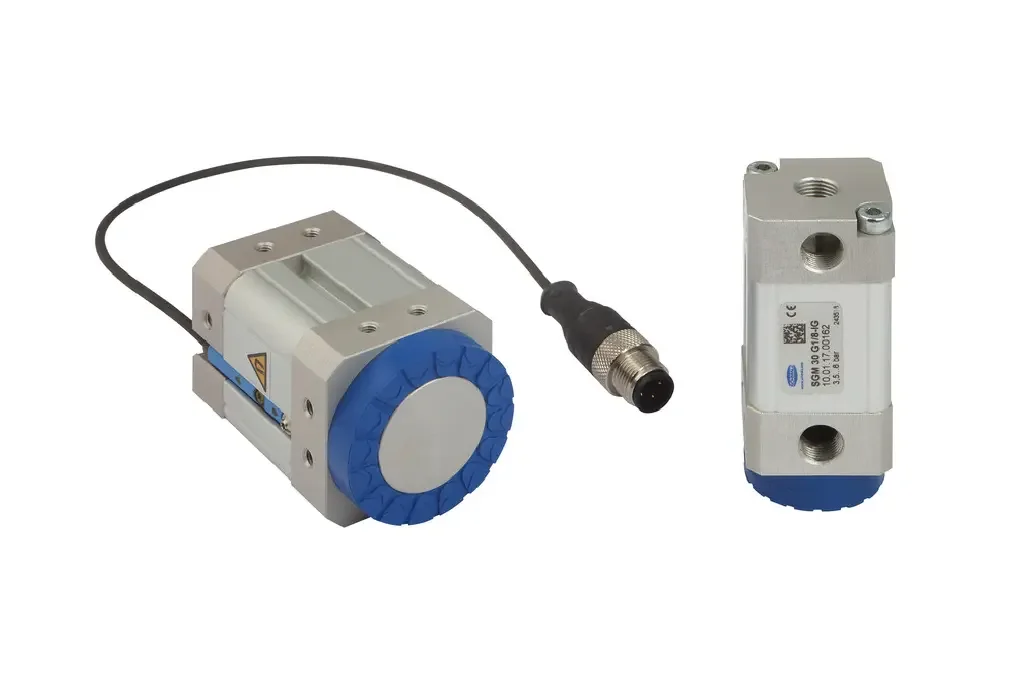
Compare electric and pneumatic grippers through usable control, wrist services, grip retention and complete ownership costs, with a practical variant-change example.
Choose a robot gripper by matching contact geometry, material, product variation and release needs, then use a structured supplier trial to narrow the options.