Robot learning
Budget a Robot Learning Setup Beyond the Arm and GPU
Build a robot learning budget around complete experiments: hardware, cameras, compute, storage, integration, operator time, and evidence-based purchase gates.
Buying decisions, practical integration and robot learning.
Build a robot learning budget around complete experiments: hardware, cameras, compute, storage, integration, operator time, and evidence-based purchase gates.
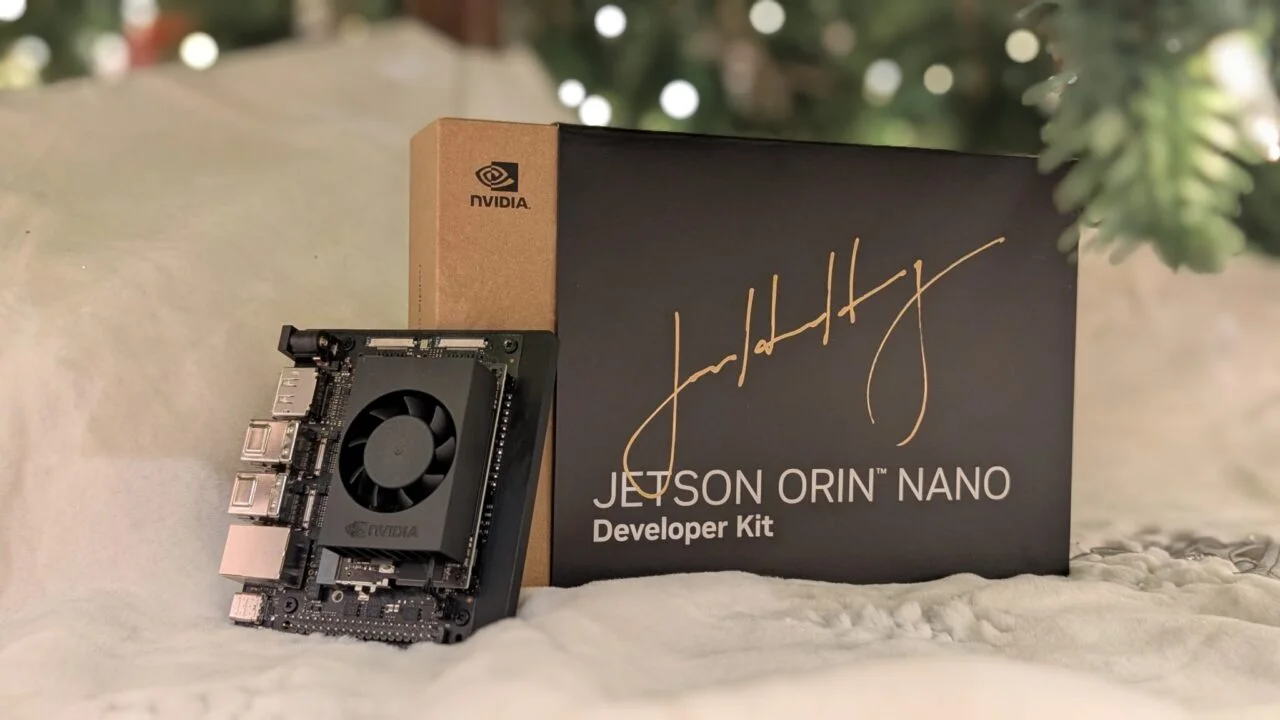
An August 2026 launch snapshot of Jetson Orin Nano 2: announced hardware, unanswered pricing questions, and a practical evaluation plan for robot-side vision and learning.
Evaluate a LeRobot diffusion policy against a fair baseline, measuring task outcomes, sampling variation, action timing and checkpoint reproducibility.
Audit robot demonstrations for observable actions, timing, task consistency, episode boundaries, and evaluation leakage before spending time on policy training.
Understand ACT prediction chunks, action execution and temporal ensembling, then evaluate correction behaviour under a pinned LeRobot implementation.
Choose a tractable LeRobot task, freeze your setup, plan demonstrations and evaluation, and define evidence that earns the next stage of a learning project.
Prepare a reproducible LeRobot training run, verify its configuration and checkpoints, and judge the resulting policy with independent task outcomes.
Build a robot pilot business case around measured constraints, explicit costs and decision gates, with illustrative sensitivity arithmetic instead of ROI promises.
Use the LeRobot visualizer to inspect episode boundaries, camera streams and actions, and distinguish dataset defects from loading or display failures.
A launch-specific look at Build 2026's Foundry Local announcements: Linux ARM64, local voice workflows, Azure Local preview, and what to test beside a robot controller.
Measure robot and cell cycle time with explicit event boundaries, trustworthy timestamps, representative trials, and comparisons that retain waits and failures.
Plan and verify SO-101 leader and follower calibration with LeRobot, preserving arm identity, joint meaning and evidence for consistent demonstrations.
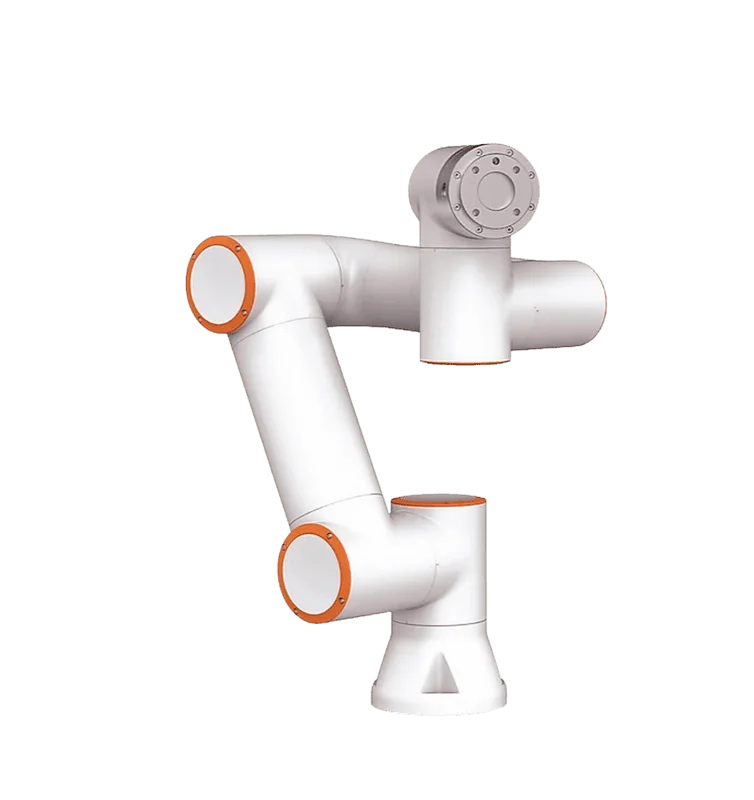
Compare FAIRINO FR3 and FR5 through complete tooling loads, usable workspace, process evidence and support requirements before committing to a robot purchase.
Choose and preserve camera views that reveal grasping, transfer and release, then verify the observations a LeRobot policy actually receives.
Choose a small-parts gripper by checking presentation, contact geometry, controllable force, part detection, release and material requirements before a trial.
Build a robot I/O contract that covers electrical compatibility, signal ownership, request acknowledgements, faults, and restart behavior before commissioning.
Install a documented LeRobot release, select the right dependencies, and verify imports, video decoding and configuration before connecting a robot.
Inspect a used FAIRINO offer through equipment identity, maintenance history, controlled demonstrations, software access and recovery costs before paying a deposit.
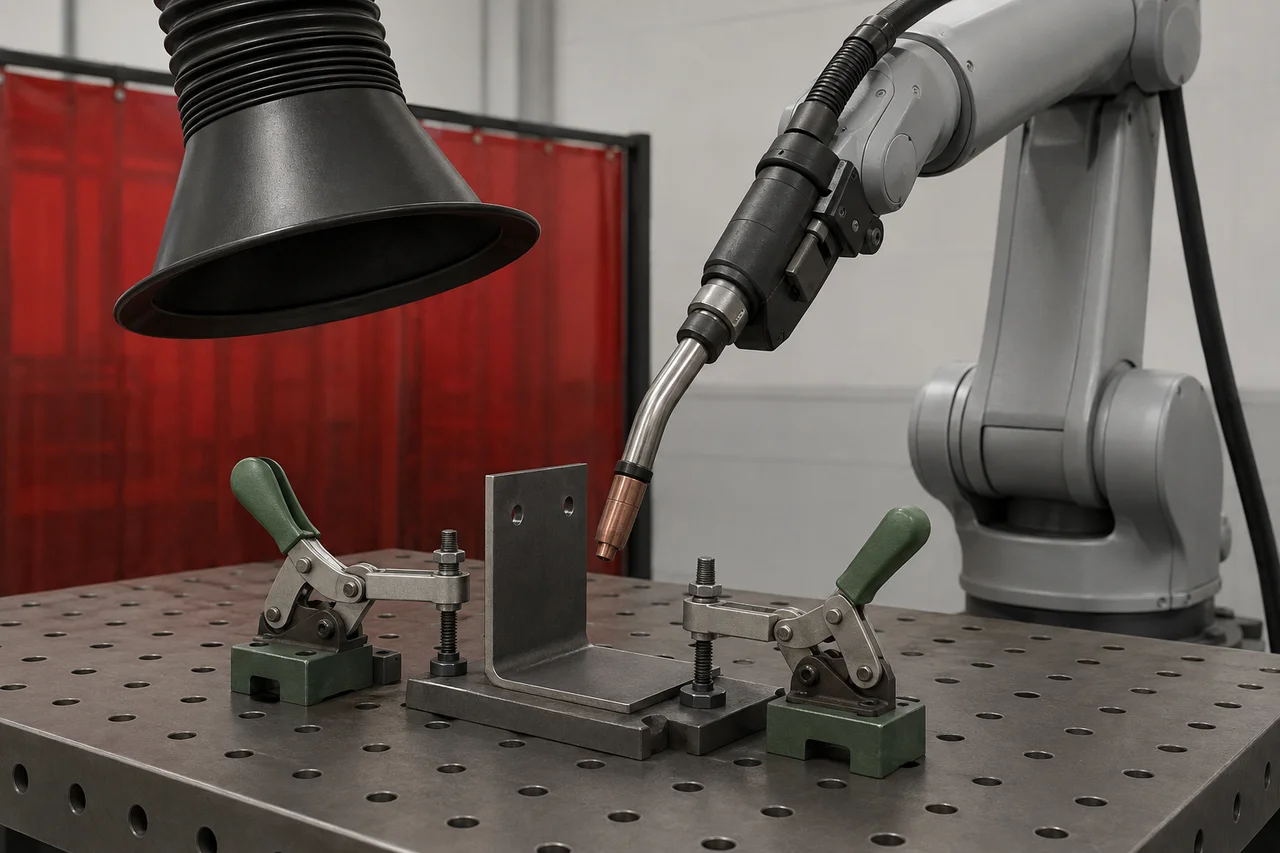
Evaluate a Fairino welding package by its power-source interface, torch assembly, seam functions, fixtures, fume controls and evidence from representative welds.
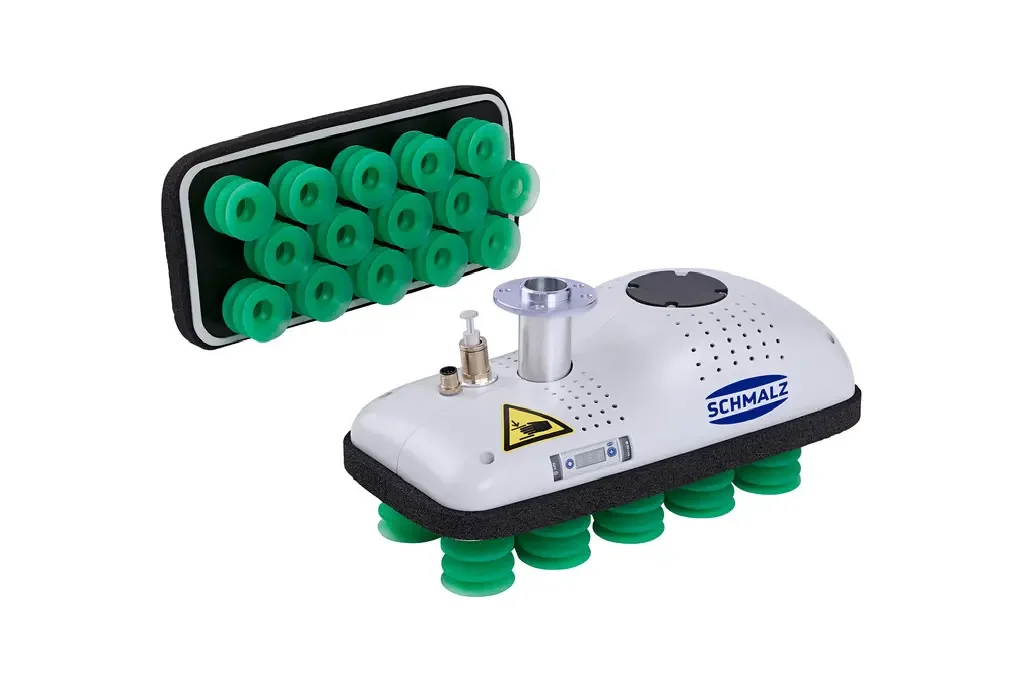
Plan a cardboard vacuum-gripping trial that separates material leakage from sealing problems, checks surface damage and release, and records production variation.