Fairino robots
Fairino teaching interfaces: what do you actually need?
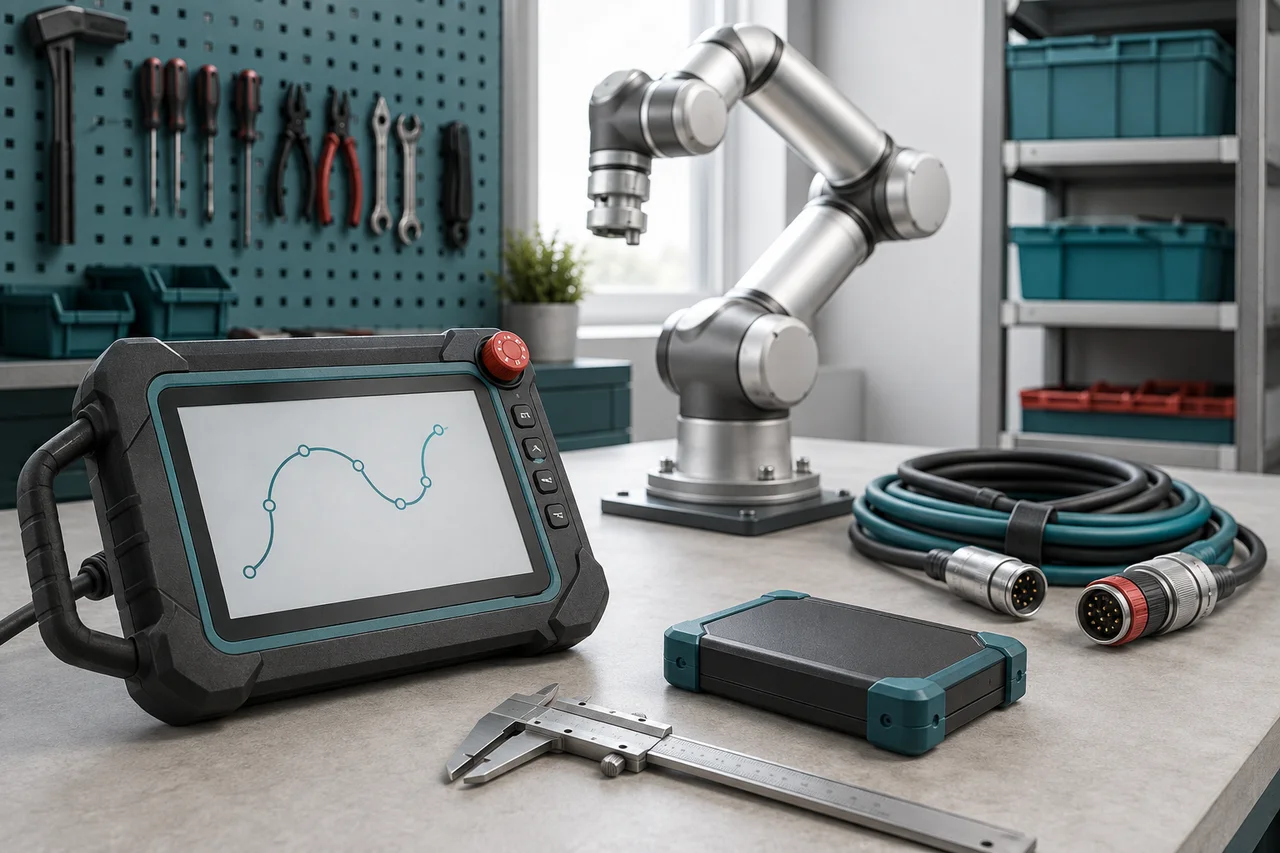
Compare a Fairino physical teach pendant, PC or tablet interface and task controls by workshop use, operating authority, compatibility and recovery requirements.
Buying decisions, practical integration and robot learning.
Compare a Fairino physical teach pendant, PC or tablet interface and task controls by workshop use, operating authority, compatibility and recovery requirements.
Define what a robot cell backup must contain, connect controller files with external dependencies, and rehearse a qualified recovery before an outage forces it.
Match Fairino manuals to the arm, controller, software and peripheral revisions, resolve conflicting instructions and keep an auditable document register for the cell.
Specify a robot tool changer through load moments, utility modules, locking feedback, storage, recovery and acceptance evidence, beyond a headline payload rating.
Build a robot maintenance schedule from the exact manuals, equipment identities and duty history, with clear task ownership, defect handling and return-to-service records.
Check a FAIRINO controller offer for exact hardware, software compatibility, communication options, account access, backup recovery and long-term support ownership.
Choose Python, C++ or a mixed robot application from measured latency, supported interfaces and maintenance needs, with an explicit boundary around real-time control.
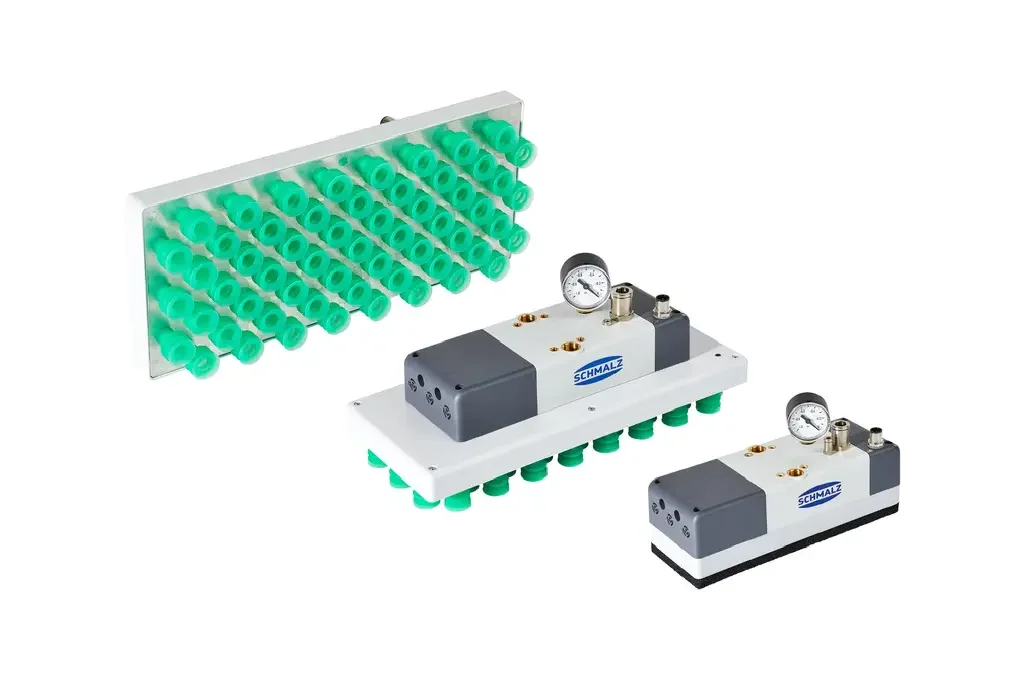
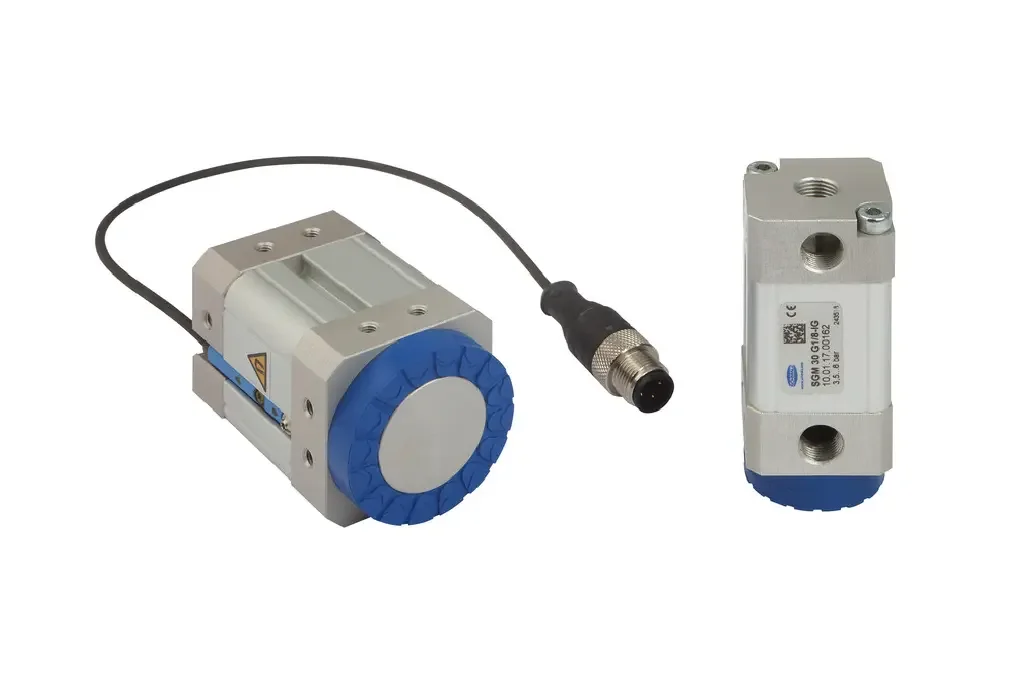
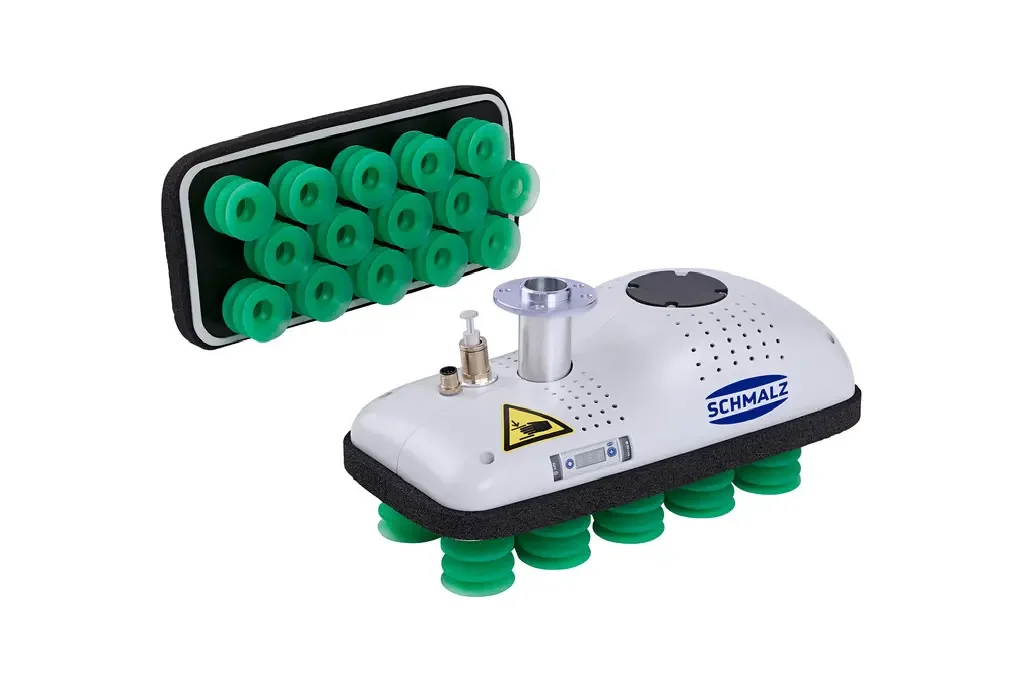
Evaluate a Schmalz FQE for a Fairino application by checking the exact variant, mounted mass, adapter, utilities and carton trials before committing to a tool.
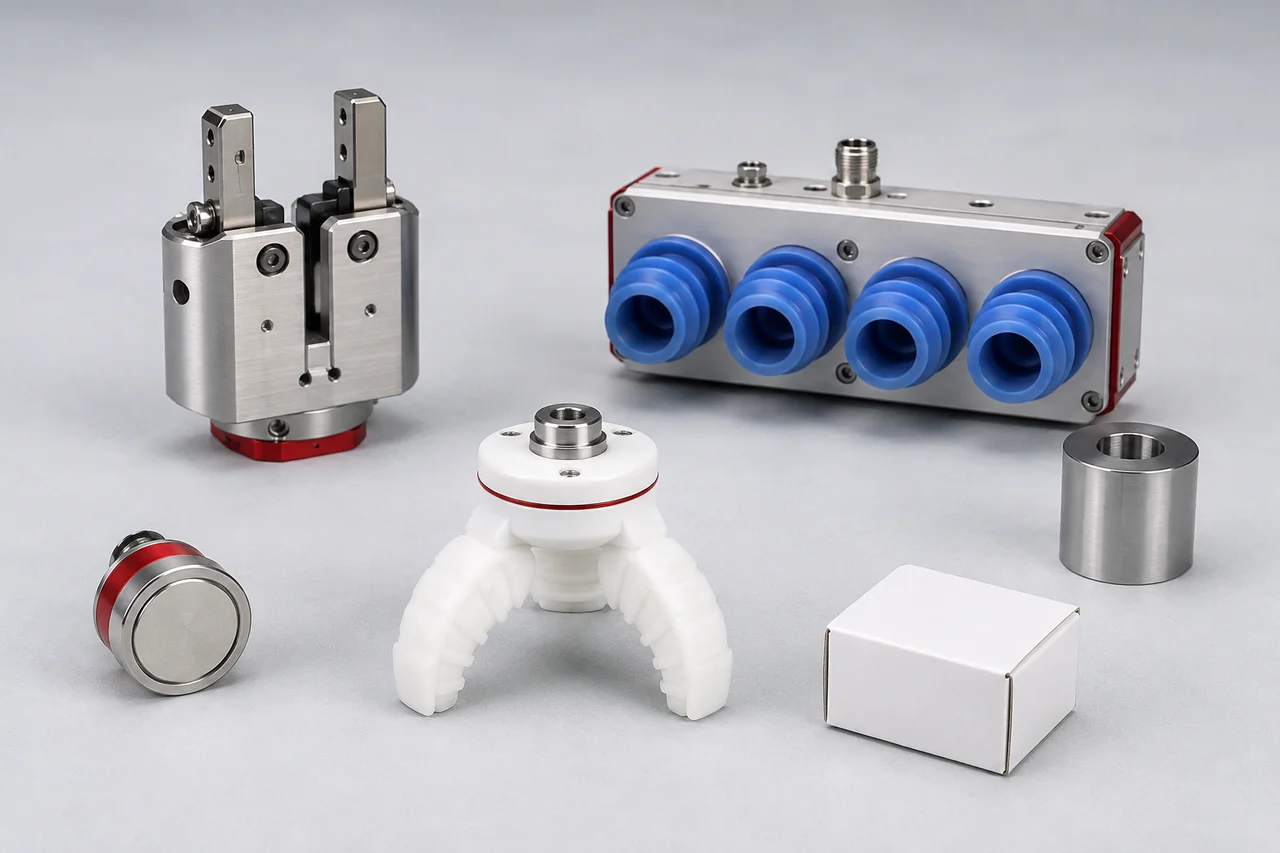
Assess magnetic robot gripping through alloy, thickness, contact gaps, carried orientation, sensing and release, without mistaking catalogue force for an approved load.
Evaluate robot supplier support through evidence of escalation, spare parts, software recovery and service ownership, before downtime makes the gaps expensive.
Evaluate soft grippers through contact deformation, product damage, placement, cleaning and release, with a trial plan for delicate and variable products.
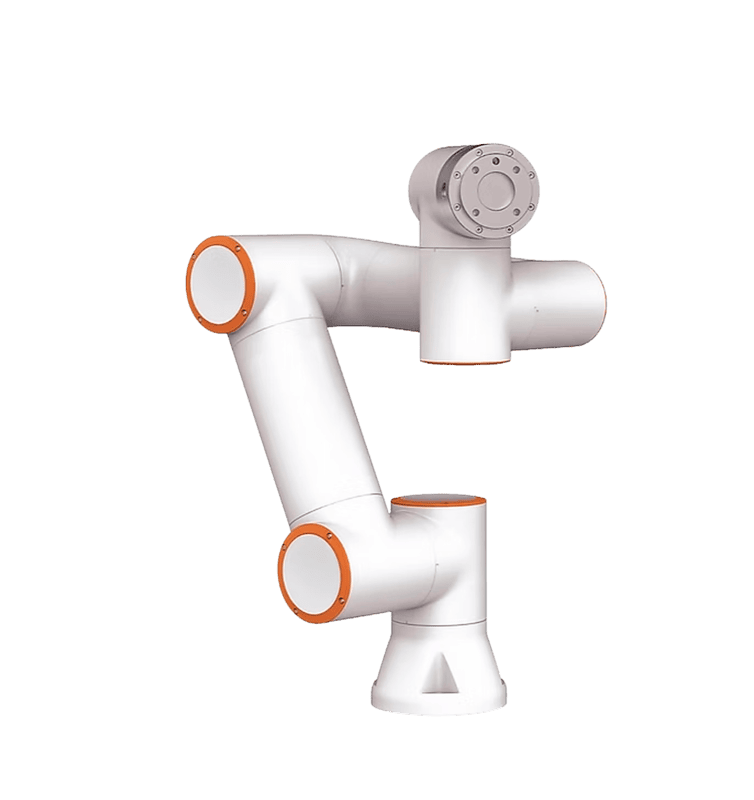
Build a defensible FR5 payload budget covering grippers, fingers, adapters, services and parts, then identify the load evidence your integrator needs to approve.
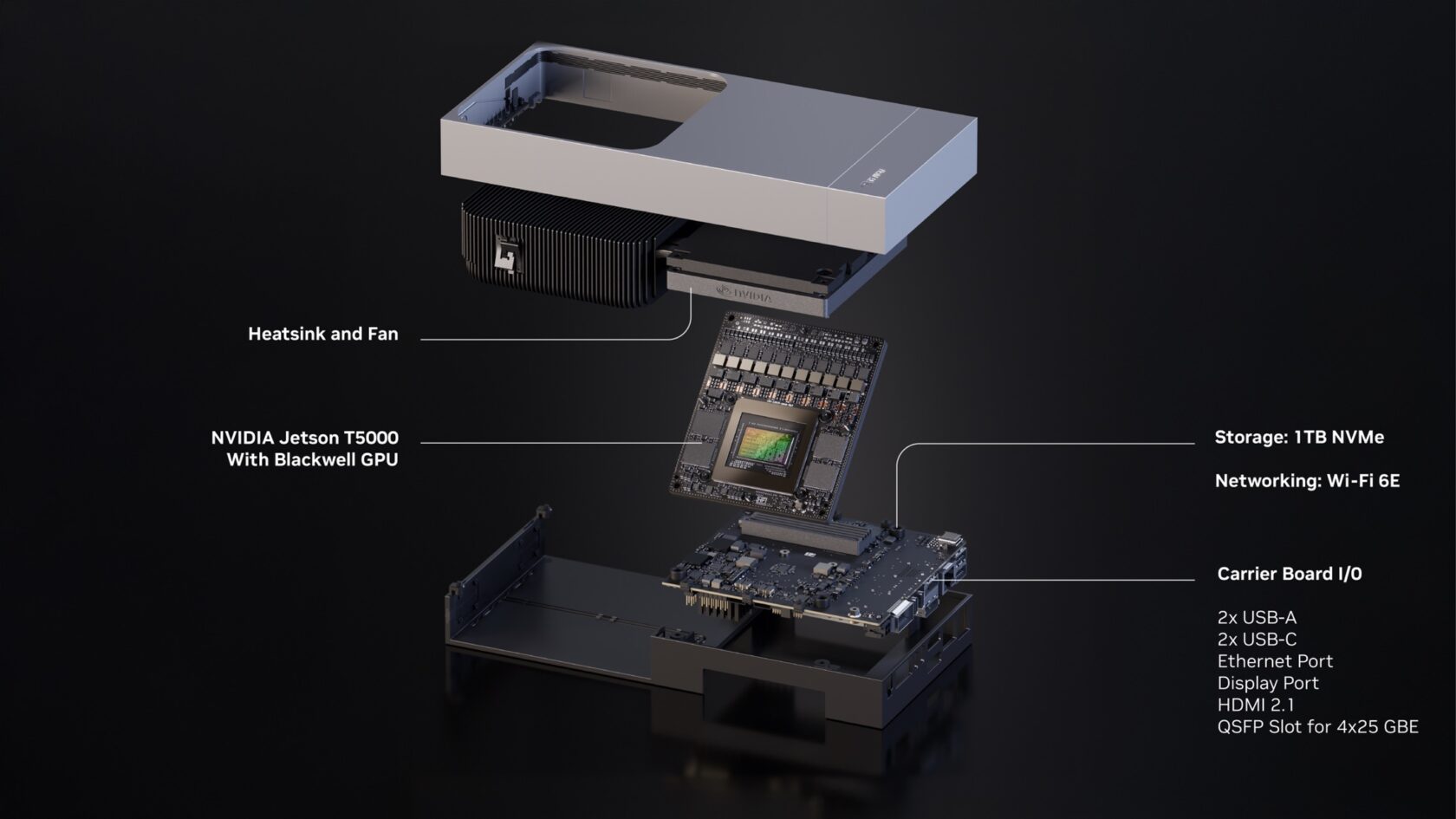
An August 25, 2025 launch guide to Jetson AGX Thor: the $3,499 developer kit, T5000 volume-module pricing, memory and power trade-offs, and tests for a multi-model robot workload.
Plan mixed-carton palletising around verified carton identity, complete tool load, reachable stack positions, stable patterns and recoverable pallet changes.
Account for the gripper, adapters, services and workpiece, calculate a hypothetical combined centre of gravity, and prepare load records for qualified integration.
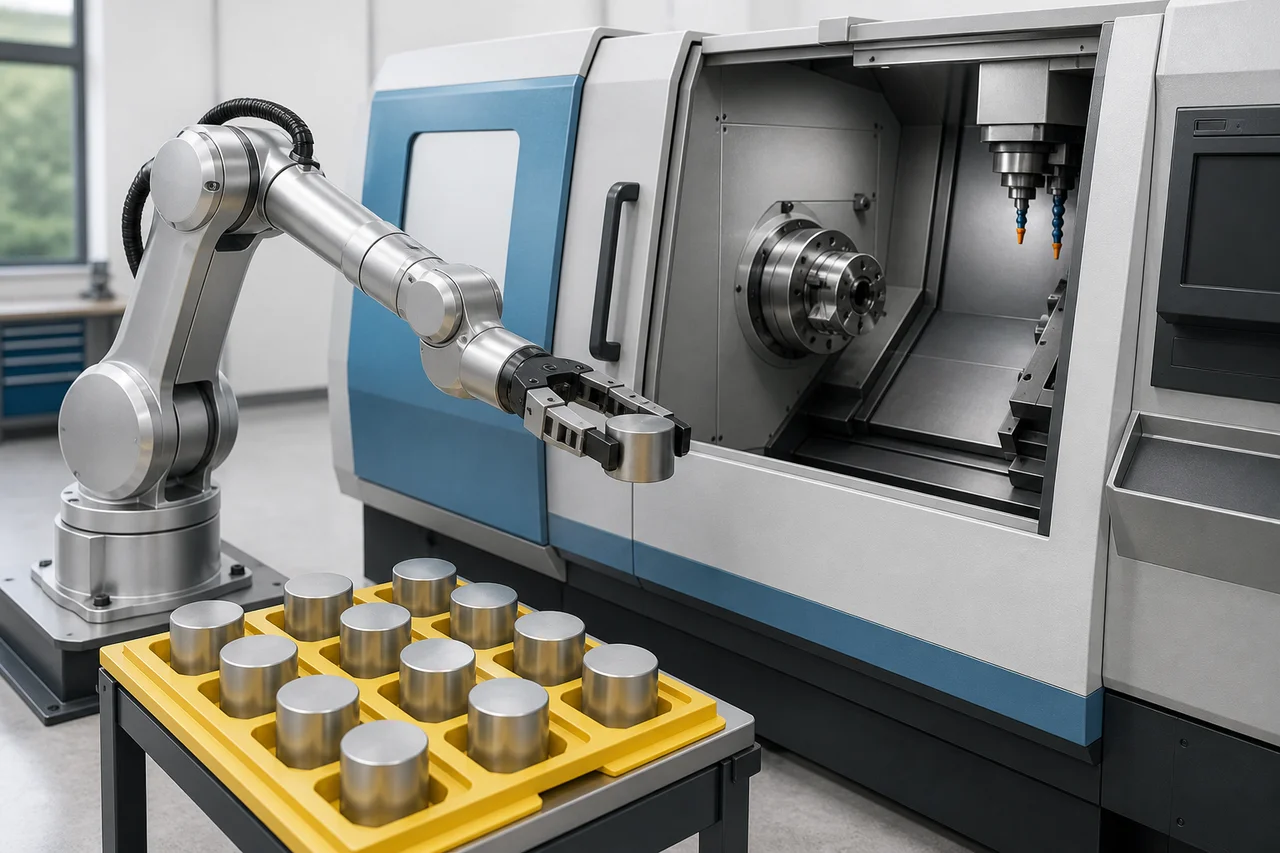
Scope CNC tending from blank presentation to accepted finished parts, including workholding, chips, machine handshakes, recovery and useful unattended time.
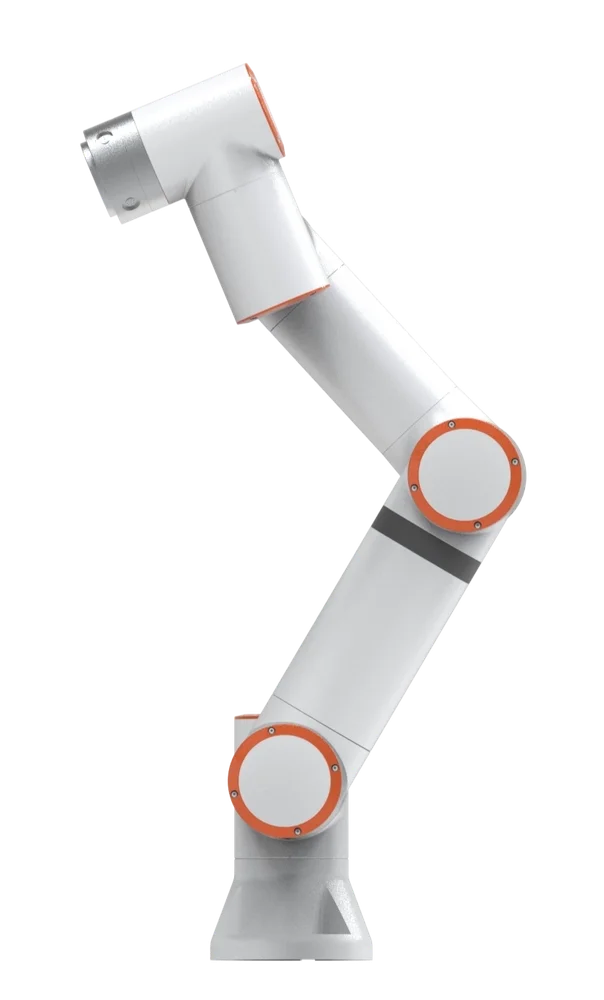
Plan an FR3 workstation using tool orientation, approach paths, fixture access and service routing, with a clear evidence package for qualified integration review.
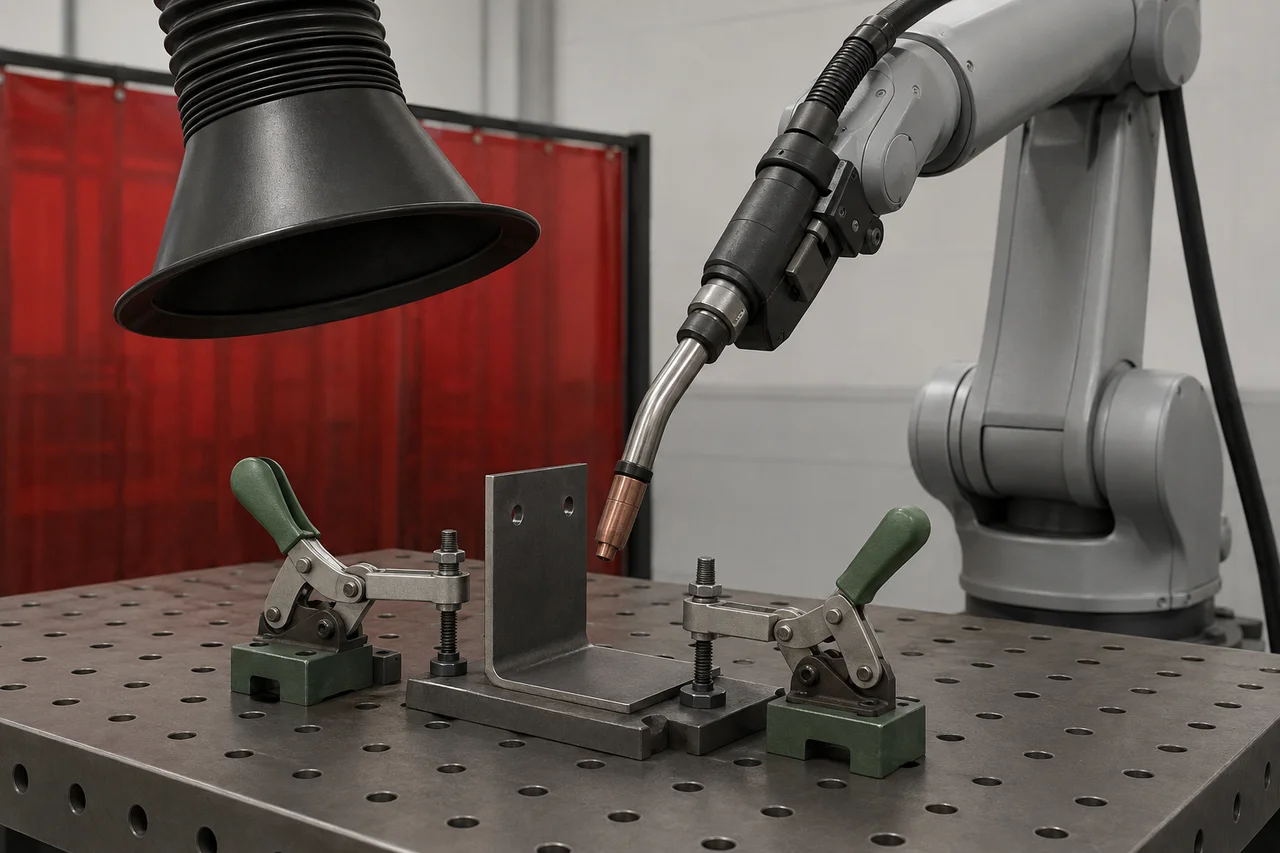
Plan a bracket-welding pilot around joint variation, fixture access, weld acceptance and complete batch time, with clear evidence for expanding or stopping.
Compare vacuum and mechanical gripping through contact access, material variation, placement, fault recovery and ownership costs, using a practical trial plan.
Compare SCARA, delta, Cartesian and six-axis robots using the actual transfer, part presentation, gripping, usable throughput and complete installation scope.